Understanding the Home Inspection Process in the Western Chicago Suburbs
Learn how the home inspection process works in the western Chicago suburbs, including Naperville, Aurora, and Wheaton. Discover what buyers and sellers should expect and how inspections impact real estate transactions.
Buying or selling a home in the western Chicago suburbs, such as Naperville, Aurora, Plainfield, Bolingbrook, Lisle, Woodridge, Winfield, Oak Brook, Hinsdale, Downers Grove, Lombard, Villa Park, Darien, Westmont, Wheaton, and Warrenville, often involves a crucial step: the home inspection.
For both buyers and sellers, the inspection process provides transparency about a property’s condition and can influence final negotiations before closing. As professionals working in the suburban Chicago housing market, we frequently guide clients through inspections to ensure the process runs smoothly and expectations are clear.
Below is a practical overview of what buyers and sellers can expect during a home inspection in this region.
What Is a Home Inspection?
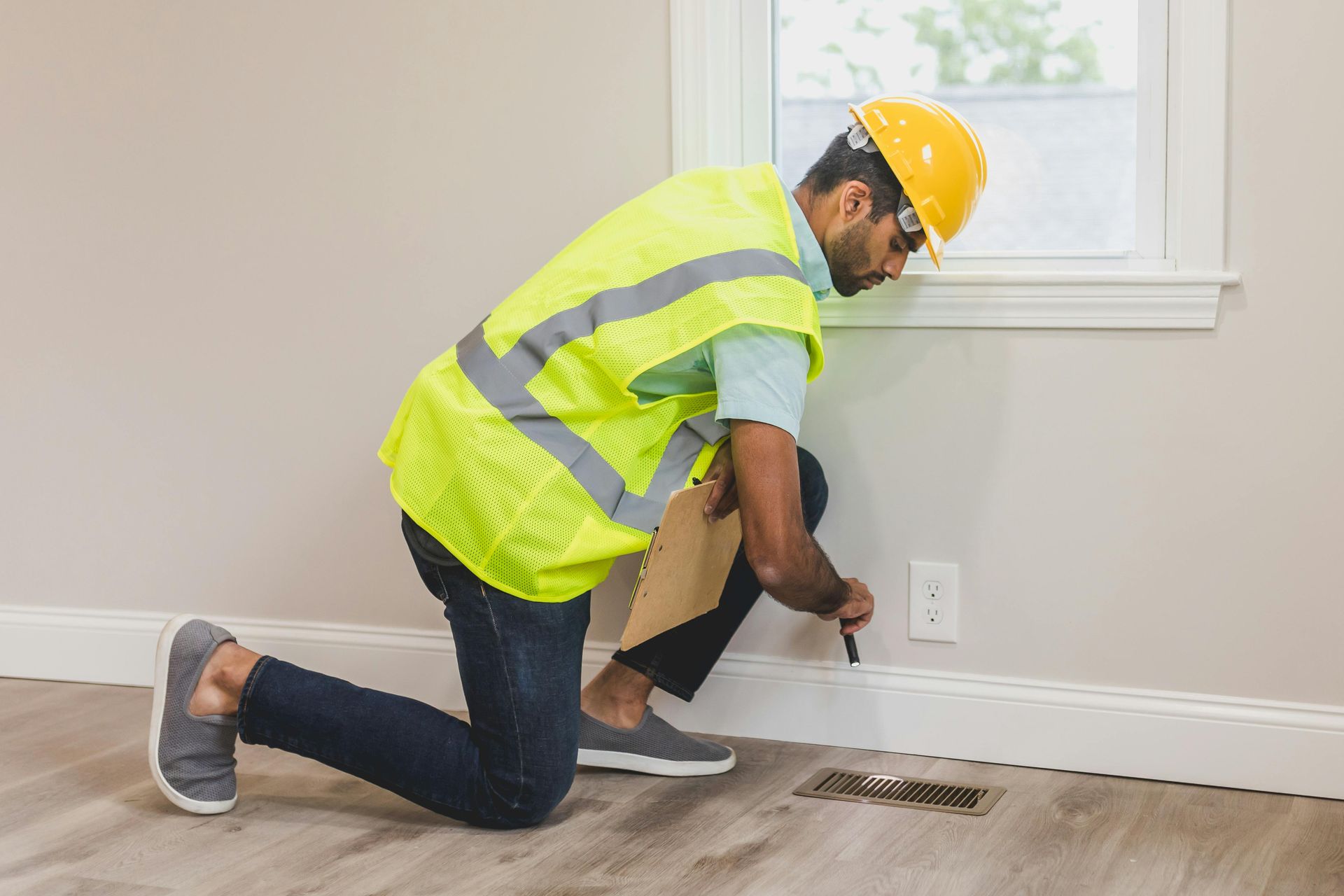
A home inspection is a professional evaluation of a property's structure, systems, and overall condition conducted by a licensed inspector. The goal is to identify potential issues before a real estate transaction is finalized.
In Illinois, home inspectors must meet state licensing requirements regulated by the Illinois Department of Financial and Professional Regulation. Licensed inspectors assess key components of a home and provide a detailed written report for the buyer.
You can learn more about inspection standards through the American Society of Home Inspectors at https://www.homeinspector.org.
What Buyers Can Expect During the Inspection
For buyers in communities like Naperville, Aurora, or Downers Grove, the inspection typically occurs after the seller accepts an offer but before the final purchase agreement is completed.
The Typical Inspection Timeline
- Buyer schedules a licensed inspector
- Inspection takes approximately 2–4 hours
- Buyer may attend to ask questions and observe findings
- Inspector delivers a detailed report within 24–48 hours
Common Areas Inspected
- Roof and attic condition
- Foundation and structural components
- Electrical systems
- Plumbing and water heaters
- Heating and cooling systems
- Windows, doors, and insulation
- Appliances included in the sale
Buyers should view inspections as an opportunity to learn about the home rather than expecting a flawless property.
What Sellers Should Prepare For
Sellers in suburbs like Wheaton, Lombard, and Bolingbrook should anticipate that buyers will request an inspection as part of the purchase contract.
Preparation Tips for Sellers
- Replace HVAC filters
- Ensure all utilities are active
- Clear access to attic, basement, and electrical panels
- Fix minor issues such as loose handrails or dripping faucets
- Provide documentation for recent repairs or upgrades
Preparing your home can help prevent small issues from appearing as major concerns in the inspection report.
Common Issues Found in Suburban Chicago Homes
Due to the region’s climate and housing stock, inspectors often find similar issues across homes in DuPage and Will counties.
Typical inspection findings include:
- Aging roofs or gutters damaged by winter storms
- Basement moisture or drainage issues
- Older HVAC systems nearing replacement
- Electrical updates needed in older homes
Homes built in the 1980s–2000s in areas like Plainfield and Woodridge may also be approaching replacement cycles for major systems such as furnaces or water heaters.
How Inspection Results Affect the Sale
After receiving the inspection report, buyers typically have three options:
- Accept the home as-is
- Request repairs or financial credits from the seller
- Withdraw from the contract if major issues are discovered
In competitive markets like Hinsdale and Oak Brook, buyers may request fewer concessions due to high demand.
However, in balanced markets such as Villa Park or Darien, inspection negotiations are more common.
Additional Inspections Sometimes Required
Depending on the property, buyers may also request specialized inspections:
- Radon testing (common in Illinois)
- Mold inspection
- Sewer scope inspection
- Pest inspection
Radon testing is particularly important in Illinois due to naturally occurring underground radon levels. Information about testing guidelines can be found through the Illinois Emergency Management Agency.
Why Understanding the Inspection Process Matters
A smooth inspection process benefits both buyers and sellers by:
- Identifying maintenance concerns early
- Reducing unexpected costs after closing
- Improving transparency during negotiations
- Helping protect long-term property value
For homeowners renting out properties in suburban communities like Westmont, Winfield, or Warrenville, regular inspections and maintenance can also prevent costly repairs and tenant issues.
The home inspection process plays a critical role in real estate transactions across the western Chicago suburbs. Whether you are buying your first home, selling a long-held property, or preparing a rental investment for new tenants, understanding what inspectors look for can help you prepare effectively.
At Post Oak Property Management, we help property owners stay ahead of maintenance issues, protect property values, and ensure homes remain market-ready for buyers or tenants throughout Naperville, Aurora, Plainfield, Bolingbrook, Lisle, Woodridge, Winfield, Oak Brook, Hinsdale, Downers Grove, Lombard, Villa Park, Darien, Westmont, Wheaton, and Warrenville.